

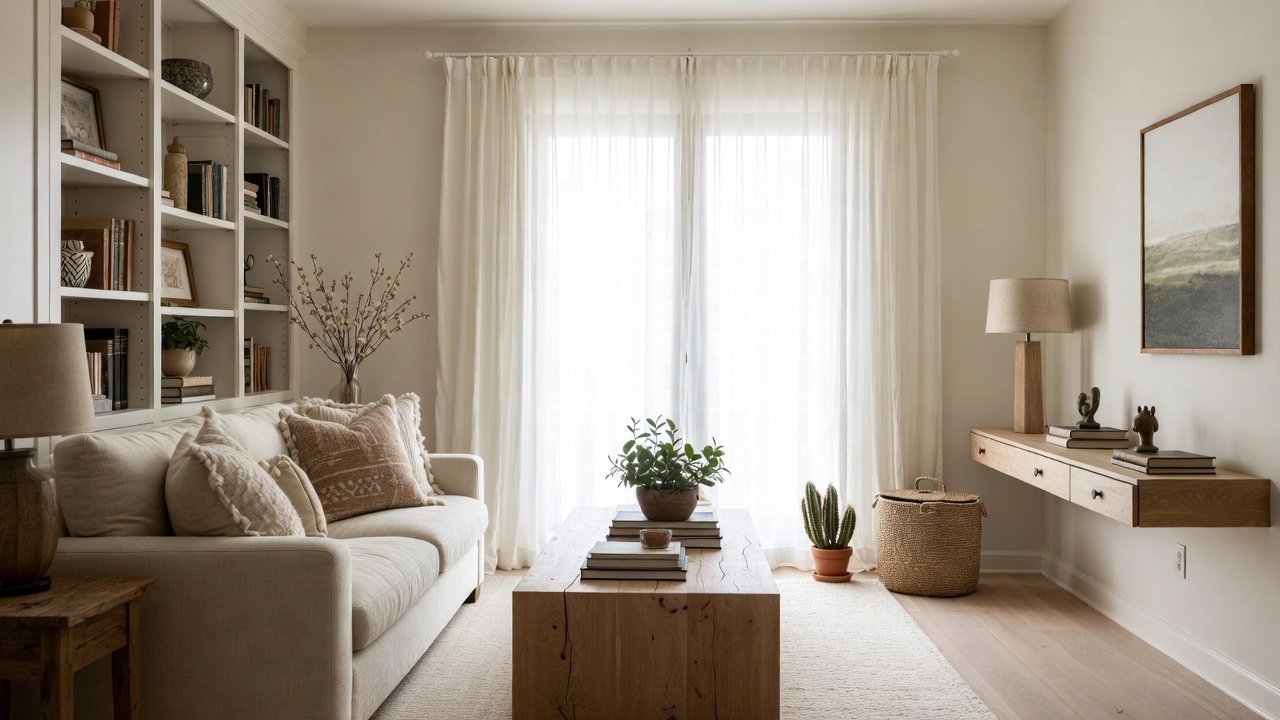
5 Smart Organization Ideas for a Clutter-Free Family Living Room
A cluttered living room isn’t just an eyesore—it impacts how a family feels, communicates, and connects. Studies on Home Management and family psychology consistently show that chaotic spaces can heighten stress levels, trigger arguments, and make it difficult for children to focus or relax. Conversely, an organized environment nurtures calm, encourages cooperation, and supports Family Wellness.
For busy parents balancing work, school schedules, and never-ending to-do lists, maintaining an orderly home often feels impossible. That’s why these five expert-approved organization ideas focus on practicality, flexibility, and everyday sustainability—so you can finally reclaim your living room as the heart of your home.
1. Harness the Power of Multi-Purpose Furniture
Why Multi-Purpose Furniture Matters
When every piece in your living room serves more than one function, clutter has fewer chances to accumulate. Multi-purpose furniture creates storage opportunities in plain sight, making tidying up faster and more intuitive for everyone in the family.
Expert Picks for Functional Style
- Storage Ottomans with Hidden Compartments: Perfect for tucking away toys, extra blankets, or remote controls. Choose ones with removable lids or lift-tops so even children can access their belongings easily.
- Modular Sofas with Built-In Storage: Modern modular systems include drawers or hidden spaces beneath cushions—ideal for larger families who need extra storage without cluttering aesthetics.
- Convertible Side Tables and Benches: Look for nesting tables or benches that double as toy boxes. They save space while offering handy storage zones for daily-use items.
Professional Tip: Stick to a cohesive design palette—neutral bases with soft accents—to prevent “visual clutter,” even when your furniture is multifunctional.
2. The Zone System for Kids: A Learning and Play Framework
Teaching Responsibility Through Spaces
Creating designated activity areas—or “zones”—teaches children independence while keeping messes contained. This system borrows from Montessori-inspired Parenting hacks: when each item has a home, kids are more likely to return it after use.
How to Create Effective Learning and Play Zones
- Define Each Zone Clearly: Use rugs or furniture placement to distinguish “Reading,” “Creative,” and “Play” zones. It helps children understand boundaries and routines.
- Incorporate Educational Elements: Include bookshelves, soft lighting, and caddies for school supplies. This promotes learning and boosts your Home Management system’s educational component.
- Make It Visual: Use color-coded bins or bilingual labels with both words and pictures. This supports literacy and keeps cleanup fun.
- Rotate Toys Weekly: Keep play materials fresh while preventing clutter buildup.
Expert Insight: Children mimic adult organization habits. Involve them by turning cleanup into a short daily ritual—they’ll start seeing order as a natural part of life.
3. Go Vertical: The Storage Solution Hiding in Plain Sight
Why Vertical Space Matters
Most families focus on floor-level organization, yet walls hold untapped potential. From floating shelves to pegboard systems, going vertical maximizes space and style—especially in smaller homes.
Practical Vertical Storage Ideas
- Floating Wall Shelves: Display books, art, or storage baskets on staggered shelves. Keep child-safe and adult-only zones separate.
- Wall-Mounted Organizers: Install mail sorters, key racks, or charging stations near entryways to streamline daily routines.
- Pegboards & Adjustable Systems: Modern pegboards fit living-room aesthetics and can hold art supplies, remotes, or even plants.
- Door Backs & Corners: Add hanging racks or fabric pockets behind doors—great for lightweight or seasonal items.
Design Tip: Mix open shelving with closed cabinets for a balanced visual result.
4. Digital Decluttering: Use Tech to Streamline Home Management
Tackling the “Invisible Clutter”
Digital overload drains attention just like physical mess. Smart homes now merge tech with traditional Home Management for total Family Wellness.
Smart Tools for Organized Families
- Shared Family Calendar Apps: Tools like Google Calendar or Cozi help coordinate chores, homework, and appointments.
- Smart Home Assistants: Use Alexa or Google Nest to schedule reminders, manage grocery lists, or plan device-free hours.
- Home Inventory Apps: Applications such as Sortly allow you to track items, warranties, and home maintenance.
- Digital Photo Sorters: Spend a weekend organizing pictures into cloud albums—declutter your mental load by cleaning up your digital life.
Family Tech Policy: Create a nightly “tech reset.” Everyone places their devices in a central charging station—encouraging mindful disconnection and family reconnection.
5. The 5-Minute Nightly Family Routine
Why Small Habits Stick
Big cleaning marathons rarely last. Instead, quick consistent routines build habit-based order. The “5-Minute Family Reset” is one of the easiest Parenting hacks for a tidy and calm home.
Step-by-Step Guide
- Set a Timer: Limit it to five minutes—play music for fun motivation.
- Assign Zones: Each person tackles one small area (sofa, media center, toy box).
- Use Baskets: Have labeled bins for each family member; toss stray items in their own basket.
- Reset Surfaces: Quick wipes and cushion fluffing go a long way toward visual calm.
- Celebrate Effort: Acknowledge teamwork—it turns cleaning into bonding time.
Pro Tip: Link this mini-routine to an existing habit, like after dinner; this increases discipline and consistency automatically.
Bonus: Printable Weekly Cleaning Checklist
A visual cleaning schedule turns Home Management into a coordinated, family-friendly routine instead of a solo chore. Create a simple one-page printable, divide tasks by day, and make it visible in your living room or kitchen.
- Monday: Vacuum and dust the living area.
- Tuesday: Declutter toy baskets.
- Wednesday: Wipe down remotes and tables.
- Thursday: Wash cushion covers or throws.
- Friday: Organize shelves or digital devices.
- Saturday: Family cleaning session with music.
- Sunday: Rest, reflect, and plan for next week.
Encourage everyone to check off tasks for motivation and accountability. Within weeks, these mini-systems become natural habits—keeping your home stress-free and functional.
Final Thoughts
An organized living room is more than tidy—it supports communication, connection, and calm. With multi-purpose furniture, structured zones for kids, vertical storage, digital decluttering, and short nightly resets, you create a rhythm of balance and comfort. Through intentional design and teamwork, your home becomes a space that nurtures both Interior Organization and Family Wellness.
Related guides: